

Introduction: Choosing the Right Weather Station Matters
If you’re considering your first home weather station in Australia, the number of options can feel overwhelming. Some models are simple and affordable, while others include advanced sensors, smart home integration, and professional-level accuracy.
The challenge is not just buying a weather station — it’s choosing the right one for your needs, environment, and level of interest.
This guide breaks down exactly what beginners should look for, what features matter most, and how to avoid overpaying for unnecessary complexity.
Step 1: Understand What You Actually Need
Before comparing products, the most important step is defining your purpose.
Ask yourself:
-
Do you want basic weather awareness?
-
Are you mainly interested in gardening or outdoor planning?
-
Do you want smart home integration?
-
Do you need professional-level accuracy or just general insight?
Different users require different levels of complexity. For example:
-
A gardener may prioritise rainfall and soil moisture
-
A family may focus on temperature and storm awareness
-
A hobbyist may want full wind and pressure tracking
Understanding your goal helps narrow your options significantly.
Step 2: Know the Core Sensors You Actually Need
Most beginner-friendly weather stations include a standard set of sensors. These are the most important ones to look for:
1. Temperature sensor
This is essential for tracking real-time outdoor conditions. Look for models that also provide:
-
Daily highs and lows
-
Indoor temperature tracking
-
Trend history
2. Humidity sensor
Humidity is critical for understanding comfort, gardening conditions, and weather patterns. In many parts of Australia, humidity can shift rapidly and significantly affect how weather feels.
3. Rain gauge
A rain gauge measures actual rainfall at your property. This is especially valuable for:
-
Lawn care
-
Gardening
-
Water usage planning
Even small rainfall differences between suburbs can matter.
4. Wind sensor (optional but valuable)
Wind measurement includes:
-
Speed
-
Direction
-
Gust tracking
This is particularly useful in coastal or open areas.
5. Barometric pressure sensor
This is one of the most important forecasting tools in a home weather station. Pressure changes help predict:
-
Incoming rain
-
Storm systems
-
Weather stability
Step 3: Decide Between Basic and Advanced Models
Weather stations generally fall into three categories:
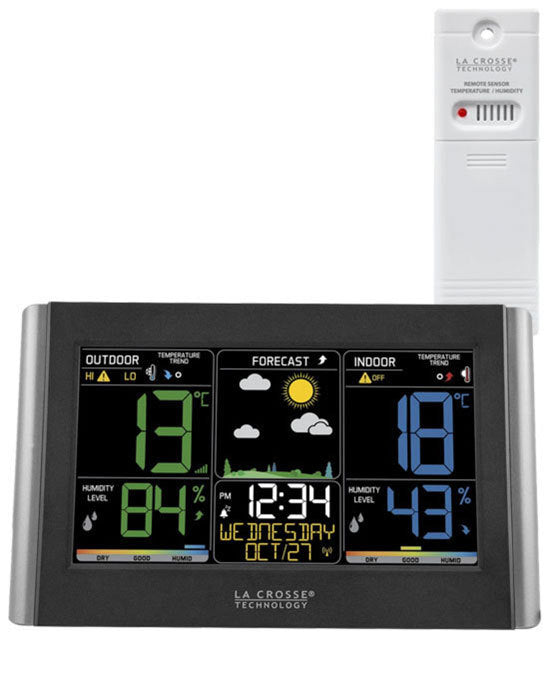
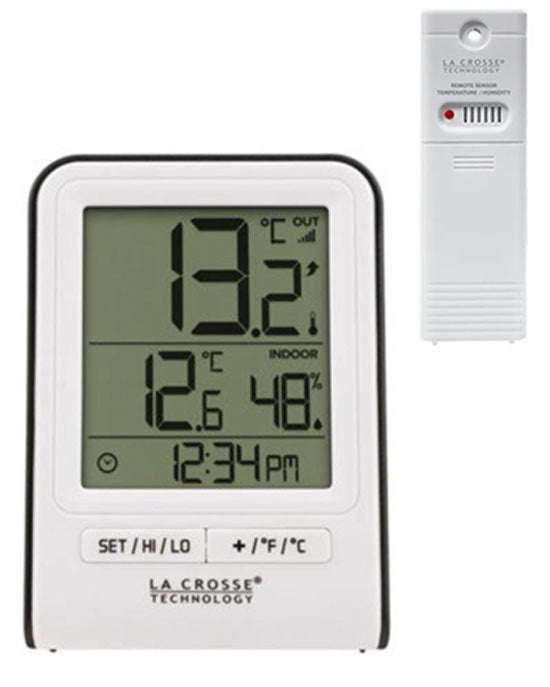
Basic models
Best for beginners who want:
-
Temperature
-
Humidity
-
Basic rainfall tracking
Pros:
-
Affordable
-
Easy setup
-
Low maintenance
Cons:
-
Limited forecasting insight
-
Fewer sensors
Mid-range models
Best for most homeowners.
Include:
-
Wind tracking
-
Better rain accuracy
-
Historical data storage
-
App connectivity
These are ideal for everyday users across Australia.
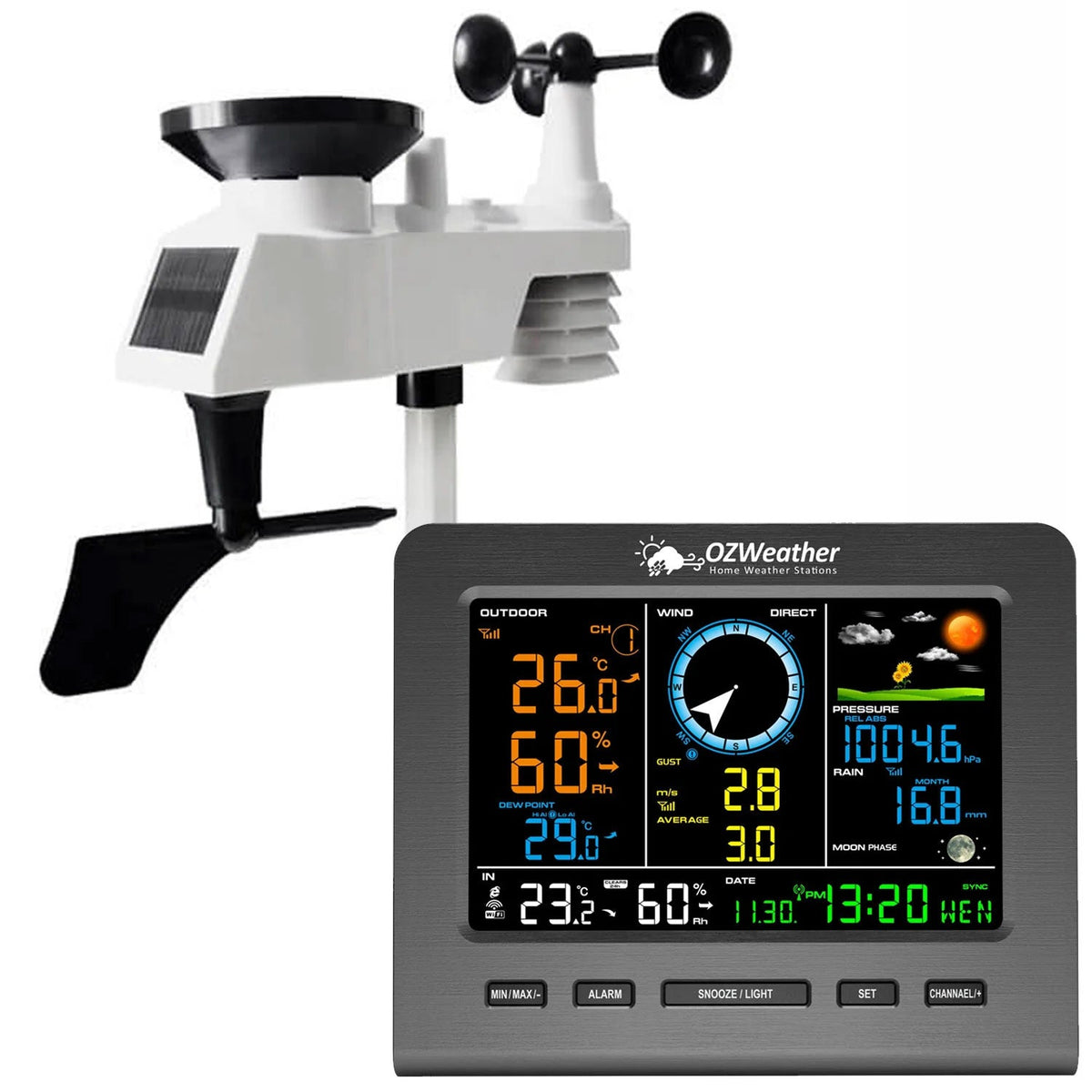
Advanced models
Best for enthusiasts or semi-professional use.
Include:
-
Full sensor suite
-
Smart home integration
-
High-precision wind and rainfall measurement
-
Extended data logging
Cons:
-
Higher cost
-
More complex setup
Step 4: Consider Installation Location
Where you place your weather station affects accuracy.
Best practices include:
-
Mount sensors away from buildings
-
Avoid direct heat reflection surfaces
-
Place rain gauge in open space
-
Elevate wind sensors above obstructions
Incorrect placement can reduce accuracy more than the quality of the device itself.
Step 5: Connectivity and Smart Features
Modern weather stations often include connectivity options such as:
-
Wi-Fi syncing
-
Mobile apps
-
Cloud data storage
-
Smart home integration
These features allow you to:
-
View data remotely
-
Track historical trends
-
Receive alerts for weather changes
For many users, app connectivity is one of the most valuable features.
Step 6: Accuracy vs Price (What Really Matters)
A common misconception is that more expensive always means more accurate.
In reality:
-
Placement affects accuracy more than price
-
Sensor quality matters more than extra features
-
Calibration and maintenance matter more than brand
A mid-range station correctly installed will often outperform a premium model placed poorly.
Step 7: Common Beginner Mistakes
Buying too many features
Many beginners overpay for advanced sensors they never use.
Poor installation
Incorrect placement leads to inaccurate readings.
Ignoring app usability
A confusing app can make even a good weather station frustrating to use.
Not considering long-term use
Choose a system you can grow into, not out of.
Why Weather Stations Are Popular in Australia
Home weather stations are becoming increasingly common in Australia due to:
-
Strong gardening and outdoor lifestyle culture
-
Variable climate conditions
-
Increasing interest in smart home systems
-
Desire for more accurate local weather data
They are no longer niche tools — they are becoming everyday household devices.
Weather Station Features Checklist (Beginner Summary)
Before buying, ensure your system includes:
-
Temperature tracking
-
Humidity measurement
-
Rain gauge
-
Pressure sensor
-
Mobile app support
-
Reliable mounting options
-
Expandability (optional sensors)
FAQ
What is the best home weather station for beginners?
A mid-range system with temperature, humidity, rain, and pressure sensors is ideal for most beginners.
Do I need wind sensors?
Not always, but they are useful for coastal or open areas.
Are expensive weather stations worth it?
Only if you need advanced features like smart home integration or professional-grade accuracy.
Internal Linking Suggestions
-
What Can a Home Weather Station Tell You?
-
Weather Apps vs Home Weather Stations
-
How Accurate Are Home Weather Stations?
-
Do You Need a Home Weather Station?
Conclusion
Choosing your first home weather station is about matching features to your needs, not buying the most advanced system available.
For most households in Australia, a mid-range weather station provides the best balance of accuracy, usability, and value.
Once set up correctly, it becomes a powerful tool for understanding your local environment, improving planning, and making better everyday decisions.
In short, the best weather station is not the most expensive one — it is the one that fits your lifestyle.



Share and get 15% off!
Simply share this product on one of the following social networks and you will unlock 15% off!