


Introduction: Do You Actually Need One?
Yes — for many households in Australia, a home weather station is not just a gadget, but a practical tool that improves daily decision-making.
While most people rely on weather apps or national forecasts, these systems only provide regional estimates, not the exact conditions at your home. A home weather station fills that gap by giving you real-time, hyperlocal weather data from your own backyard.
If you’ve ever noticed that it rains at your house but not in your suburb’s forecast, or that temperatures feel different to what your phone predicts, you’ve already experienced the limitation of generalised weather reporting.
This guide explains whether a home weather station is worth it, who benefits most, and how it actually improves everyday life.
Why Weather Forecasts Don’t Always Match Your Location
Weather forecasts in Australia are generated using a network of monitoring stations spaced across large geographic areas. This means the data is interpolated, not specific to your exact property.
In practical terms, this creates gaps such as:
-
Rainfall differences between nearby suburbs
-
Coastal wind changes that don’t reach inland forecasts
-
Temperature variations caused by elevation or shade
-
Microclimates created by urban development or vegetation
For example, a suburb near the coast may experience a sudden wind shift while an inland suburb only a few kilometres away remains calm. Forecast models often average these conditions, which reduces precision at the local level.
This is where a personal weather station becomes valuable — it removes guesswork and replaces it with on-site measurement.
What a Home Weather Station Actually Does
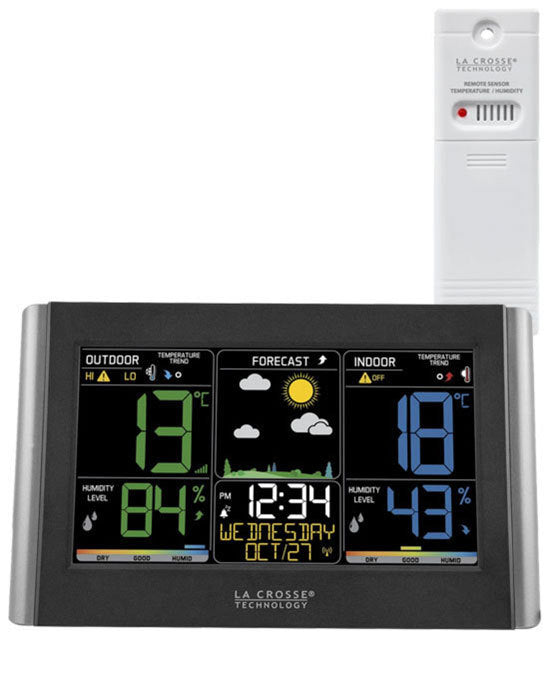
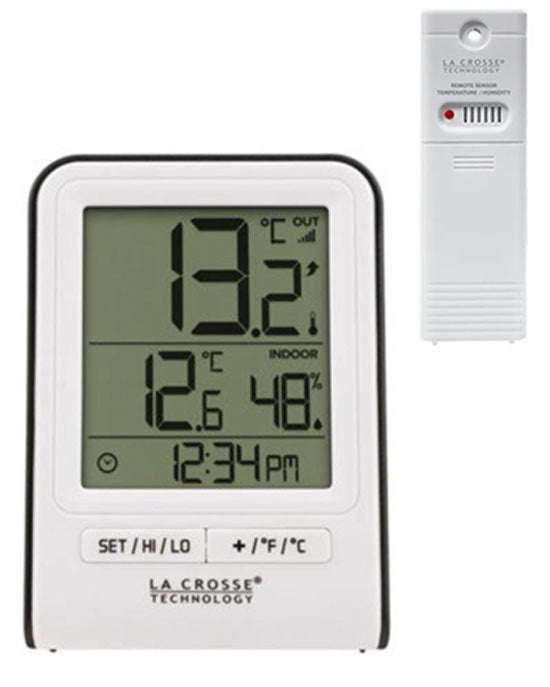
A modern home weather station measures environmental conditions directly from your property using outdoor and indoor sensors.
Most systems track:
-
Temperature (current, high, and low)
-
Humidity levels
-
Rainfall accumulation
-
Wind speed and wind direction
-
Barometric pressure
More advanced systems may also include:
-
UV index readings
-
Soil moisture sensors
-
Indoor air quality and temperature tracking
-
Historical data logging and trend analysis
The key advantage is that all of this data reflects your exact environment, not a nearby station or city-wide estimate.
This allows you to understand not just what the weather is, but how it is changing in real time at your location.
The Biggest Benefits of Having One at Home
1. True local accuracy
Instead of relying on regional forecasts, you get weather readings from your own property. This is especially useful in areas with rapidly changing microclimates.
2. Better daily planning
Whether you’re deciding when to walk the dog, mow the lawn, or plan a weekend BBQ, real-time conditions help you make better decisions.
3. Improved gardening results
Gardeners can track rainfall, humidity, and temperature patterns over time. This makes it easier to:
-
Avoid overwatering
-
Protect plants from heat stress
-
Time planting more effectively
4. Early weather awareness
A sudden drop in barometric pressure often signals incoming rain or storms. Monitoring these changes helps you prepare earlier than standard forecasts.
5. Energy efficiency
Understanding real temperature and humidity trends can help optimise heating and cooling usage, especially during extreme summer or winter conditions.
6. Family and outdoor safety
Knowing when wind speeds are increasing or when storms are approaching can help you make safer decisions about outdoor activities.
Who Actually Benefits the Most?
A home weather station is not just for weather enthusiasts. It is particularly useful for:
Homeowners with outdoor spaces
If you have a garden, pool, or outdoor entertaining area, weather conditions directly affect how you use your home.
Families
Parents can plan school runs, sports activities, and outdoor play with more confidence.
Hobby gardeners
Weather patterns directly influence plant health, watering schedules, and pest control.
Outdoor lifestyle users
If you enjoy camping, boating, surfing, or hiking, having accurate local conditions helps improve safety and enjoyment.
Remote or variable climate regions
Many parts of Australia experience sudden weather shifts, making local monitoring especially useful.
Home Weather Station vs Weather Apps
Most people start with weather apps, but there are key differences:
|
Feature |
Weather Apps |
Home Weather Station |
|
Data source |
Regional stations |
Your exact location |
|
Accuracy at suburb level |
Moderate |
High |
|
Real-time updates |
Delayed |
Instant |
|
Microclimate awareness |
Limited |
Strong |
|
Historical personal data |
None |
Yes |
Weather apps are still useful for general forecasting, but they cannot capture the fine detail of your immediate surroundings.
A home weather station does not replace apps — it enhances them.
When You Might Not Need One
A home weather station may not be essential if:
-
You rarely plan activities around weather conditions
-
You live in a high-density urban environment with minimal outdoor space
-
You are satisfied with general forecasts and don’t require precision
However, even in these cases, many users find value once they experience the difference in accuracy and detail.
Common Misconceptions
“They are only for professionals”
Modern home weather stations are designed for everyday users. Setup is simple and does not require technical expertise.
“Weather apps are just as accurate”
Apps are accurate at a regional level, but not at a property level. Small variations can significantly affect local conditions.
“They are expensive and complicated”
Entry-level systems are affordable and typically install in under an hour.
Practical Example: Why It Matters
Imagine a forecast in your area says “20% chance of rain.”
A home weather station might show:
-
Rapid pressure drop
-
Increasing humidity
-
Wind shift toward a storm direction
This combination can indicate that rain is not just possible — it is likely within hours.
This type of insight helps you make decisions earlier than relying on generic forecasts alone.
FAQ
Are home weather stations accurate?
Yes. When installed correctly, they provide highly accurate local readings for temperature, humidity, wind, and rainfall.
Do I still need a weather app?
Yes. Apps provide broader forecasting, while a weather station provides local real-time conditions. They work best together.
How difficult are they to install?
Most consumer models are designed for simple DIY installation and can be set up within an hour.
Can they predict storms?
They don’t “predict” in a meteorological sense, but they can detect environmental changes that strongly indicate incoming weather patterns.
Suggested Internal Links
-
Weather Apps vs Home Weather Stations
-
How Accurate Are Home Weather Stations?
-
Beginner’s Guide to Choosing a Weather Station
-
Features to Look for in a Weather Station
Conclusion
A home weather station is not essential for everyone, but for many households in Australia, it provides a meaningful upgrade in weather awareness.
If you rely on weather for gardening, outdoor planning, family activities, or general day-to-day decisions, having real-time local data gives you a level of precision that apps alone cannot match.
In simple terms:
weather apps tell you what is happening in your region — a home weather station tells you what is happening at your home.



Share and get 15% off!
Simply share this product on one of the following social networks and you will unlock 15% off!