

Introduction: Farming Is Becoming a Data-Driven Industry
Modern agriculture is no longer based solely on experience, observation, or seasonal tradition. Increasingly, it is driven by real-time environmental data that helps farmers make faster and more accurate decisions.
Across Australia, farms face highly variable weather conditions including heatwaves, irregular rainfall, strong winds, and seasonal drought patterns. These fluctuations can have a direct impact on crop performance and yield consistency.
Real-time weather stations are becoming an essential tool in this environment. By providing continuous, on-farm data, they allow farmers to respond to changing conditions immediately rather than relying on delayed forecasts or regional averages.
The result is more precise decision-making, improved resource use, and ultimately stronger crop yields.
Why Weather Variability Directly Affects Crop Yields
Crop growth is highly sensitive to environmental conditions. Even small changes in temperature, moisture, and wind can influence plant development over time.
When conditions are stable, crops grow predictably. However, when weather becomes unpredictable, farmers often face challenges such as:
-
Uneven soil moisture levels
-
Heat stress during critical growth stages
-
Delayed planting or harvesting
-
Increased disease pressure during humid periods
-
Inefficient irrigation scheduling
These issues may not always cause immediate crop failure, but they can significantly reduce overall yield quality and consistency.
Because weather conditions vary widely across Australia, relying on general forecasts is often not precise enough for high-performance farming.
How Real-Time Weather Stations Change Decision-Making
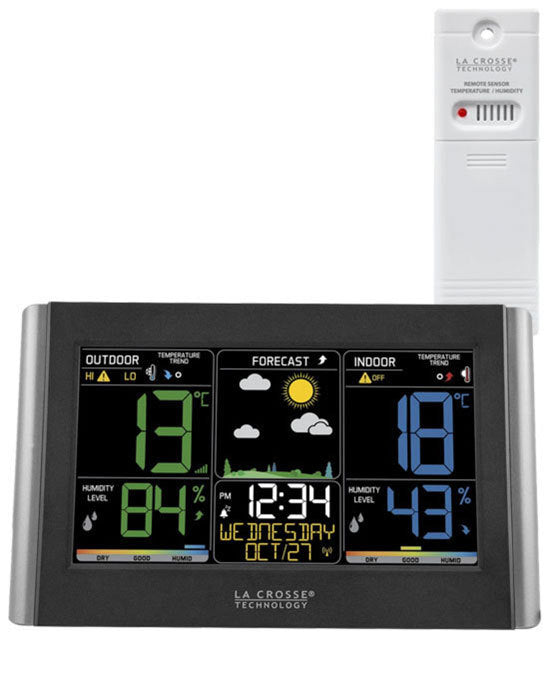
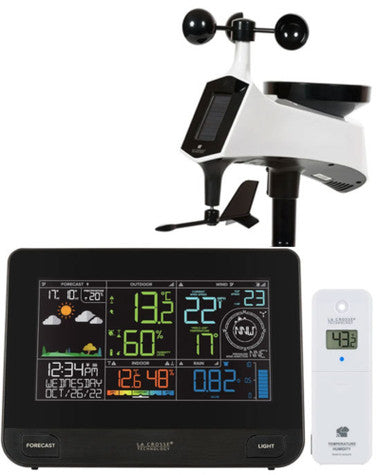
Real-time weather stations provide continuous measurements of key environmental factors such as temperature, rainfall, humidity, wind speed, and barometric pressure.
Instead of waiting for daily forecasts, farmers receive immediate updates on what is happening in their fields.
This real-time visibility allows for faster responses to changing conditions. For example, irrigation schedules can be adjusted based on actual rainfall rather than predicted rainfall. Fertiliser applications can be timed to avoid heavy rain events that may cause nutrient loss.
This shift from reactive farming to responsive farming is one of the most important benefits of modern weather monitoring systems.
Smarter Irrigation Leads to Healthier Crops
One of the most direct ways real-time weather stations improve crop yields is through better irrigation management.
Water is essential for crop growth, but both over-irrigation and under-irrigation can negatively affect yield.
With real-time data, farmers can monitor exactly how much rain has fallen on their property and how quickly moisture is likely to evaporate.
On hot or windy days, evaporation rates increase and crops may require more frequent watering. On cooler or humid days, water needs may be significantly lower.
This precision helps ensure crops receive the right amount of water at the right time, which supports stronger root development and more consistent growth.
Temperature Monitoring and Crop Stress Prevention
Temperature is one of the most important factors influencing crop development.
High temperatures can cause heat stress, reduce flowering, and limit fruit or grain development. Low temperatures can slow growth or delay planting schedules.
Real-time temperature monitoring helps farmers identify stress conditions as they develop rather than after visible damage occurs.
In many regions of Australia, sudden temperature shifts are common, particularly during seasonal transitions. Having immediate access to local temperature data allows farmers to take protective actions such as adjusting irrigation, applying shade protection, or modifying field operations.
Wind Data Helps Reduce Hidden Water Loss
Wind is often underestimated in agricultural planning, but it has a significant impact on crop conditions.
Strong winds increase evaporation from soil and plant surfaces, meaning crops may lose moisture faster than expected even when temperatures are moderate.
Wind can also physically stress plants, especially during early growth stages or in exposed fields.
Real-time wind data allows farmers to better understand when evaporation rates are increasing and adjust irrigation timing accordingly. It also helps in planning spraying operations, as wind conditions can affect chemical distribution and efficiency.
Humidity and Disease Management
Humidity plays a major role in crop health, particularly in relation to fungal diseases and plant stress.
High humidity conditions can increase the likelihood of disease development, especially when combined with warm temperatures and poor airflow.
Real-time humidity monitoring helps farmers identify periods of increased disease risk and adjust management practices accordingly.
For example, fungicide applications or crop inspections can be timed more effectively when humidity levels indicate higher risk periods.
Barometric Pressure and Weather Forecasting Accuracy
Barometric pressure trends provide early indicators of changing weather conditions.
Falling pressure often signals incoming rainfall or storm systems, while rising pressure suggests more stable conditions.
For farmers, this early warning system is valuable for planning field operations. Activities such as harvesting, spraying, and irrigation can be adjusted based on expected weather changes rather than reacting after conditions arrive.
This improves efficiency and reduces the risk of crop damage or lost productivity.
Long-Term Yield Improvements Through Data History
One of the most powerful benefits of real-time weather stations is the accumulation of long-term data.
Over time, farmers can identify patterns such as:
-
Seasonal rainfall trends
-
Heat stress periods during specific growth stages
-
Wind patterns affecting certain paddocks
-
Irrigation needs across different seasons
This historical data helps improve long-term planning and crop selection strategies.
Instead of relying solely on general agricultural guidelines, farmers can base decisions on actual conditions experienced on their own land.
Why Local Data Matters in Australian Agriculture
Agricultural environments across Australia are highly diverse. Some regions experience prolonged dry conditions and high evaporation rates, while others deal with seasonal flooding or tropical rainfall systems.
Because of this variability, localised data is often far more useful than regional forecasts.
Real-time weather stations provide hyper-local information that reflects the exact conditions affecting crops in a specific field or property.
This level of precision is especially valuable for large-scale farming operations where conditions may differ significantly across different parts of the same farm.
From Traditional Farming to Precision Agriculture
Real-time weather monitoring is part of a broader shift toward precision agriculture.
Instead of applying uniform practices across entire fields, farmers can tailor decisions based on actual conditions in specific areas.
This includes targeted irrigation, variable fertiliser application, and more efficient pest and disease management.
As a result, resources are used more efficiently, and crop yields become more consistent and predictable.
FAQ
How do weather stations improve crop yields?
They provide real-time data that helps farmers optimise irrigation, reduce crop stress, and respond quickly to changing weather conditions.
What weather data is most important for farming?
Rainfall, temperature, humidity, wind speed, and barometric pressure are all important for managing crop growth effectively.
Do weather stations help reduce irrigation costs?
Yes. By accurately tracking rainfall and evaporation conditions, farmers can avoid unnecessary irrigation and reduce water use.
Can weather stations prevent crop damage?
They cannot prevent weather events, but they can provide early warnings that allow farmers to take protective action before damage occurs.
Conclusion: Better Data Leads to Better Harvests
Real-time weather stations are transforming agriculture by giving farmers immediate insight into the conditions affecting their crops.
Instead of reacting to delayed forecasts or general regional data, farmers can make decisions based on precise, on-farm measurements.
Across Australia, where weather variability is significant, this level of accuracy is especially valuable.
When farming decisions are guided by real-time data, crop yields become more consistent, resources are used more efficiently, and agricultural systems become more resilient over time.



Share and get 15% off!
Simply share this product on one of the following social networks and you will unlock 15% off!