


Introduction: Your Backyard Changes With Every Season
A backyard is never static. It changes constantly as weather conditions shift across the year. What looks healthy and vibrant in one season can behave very differently in the next, even if no changes are made to soil, plants, or care routines.
Across Australia, seasonal variation can be especially noticeable. Some regions move quickly from hot and dry conditions into cooler, wetter periods, while others experience long stretches of heat or rainfall depending on climate zones.
Understanding how seasonal weather changes affect your outdoor space helps you plan ahead, protect your garden, and maintain healthier plants throughout the year. Instead of reacting to problems after they appear, you begin to anticipate how your environment will behave before each season fully arrives.
How Temperature Shapes Seasonal Garden Behaviour
Temperature is one of the strongest drivers of change in any backyard. As seasons shift, so does the way plants grow, absorb water, and respond to environmental stress.
During warmer months, plants generally grow faster but also lose moisture more quickly. Soil dries out faster, evaporation increases, and watering becomes more frequent. In cooler months, growth often slows, and water requirements reduce significantly.
These changes are not always gradual. In many parts of Australia, temperature swings between seasons can be sharp, which means gardens may need quick adjustments rather than slow transitions.
By observing temperature trends, gardeners can better understand when to increase watering, when to reduce irrigation, and when to protect sensitive plants from heat or cold stress.
Rainfall Patterns Change Everything in Your Backyard
Rainfall is one of the most unpredictable seasonal factors. Some seasons bring consistent, gentle rainfall that supports plant growth, while others produce heavy downpours or long dry periods.
Seasonal rainfall affects more than just watering schedules. It also influences soil structure, nutrient availability, and plant health.
When rainfall is consistent, soil tends to remain balanced and plants grow steadily. When rainfall becomes irregular, gardeners often need to adjust irrigation systems, improve drainage, or modify plant choices.
Across Australia, rainfall patterns can vary significantly between regions and seasons, which makes local observation particularly valuable.
Understanding how much rain your own backyard receives — not just regional forecasts — can dramatically improve how you manage your outdoor space.
Wind Conditions Shift With the Seasons
Wind often changes with seasonal transitions and can have a strong impact on backyard environments.
During some parts of the year, wind may be light and infrequent, allowing plants to retain moisture and grow steadily. In other seasons, stronger and more persistent winds can increase evaporation, dry out soil, and place physical stress on plants.
Wind can also influence how comfortable outdoor spaces feel. Patios, gardens, and seating areas may become less usable during windy periods, even if temperatures remain mild.
For plants, wind is not just a comfort factor — it is a moisture factor. Strong seasonal winds can significantly increase water requirements, especially for exposed gardens or potted plants.
Humidity Changes How Your Garden Feels and Functions
Humidity shifts throughout the year and has a direct effect on plant health and soil conditions.
High humidity seasons often reduce evaporation rates, meaning soil stays moist for longer. However, these same conditions can increase the likelihood of fungal issues or plant disease if airflow is limited.
Low humidity seasons create the opposite effect. Moisture evaporates quickly, soil dries out faster, and plants may require more frequent watering even when temperatures are moderate.
In many regions of Australia, humidity changes are closely tied to seasonal weather systems, making it an important factor for garden planning.
Understanding humidity helps explain why gardens behave differently even when other conditions, such as temperature, appear similar.
Seasonal Changes Affect Outdoor Living Spaces Too
Backyards are not just for plants — they are also living spaces. Seasonal weather affects how people use outdoor areas such as patios, decks, and garden seating zones.
In warmer seasons, outdoor areas may become more active and require shade solutions or cooling strategies. In cooler seasons, comfort may depend on shelter from wind or rain protection.
Rainy periods can reduce usability, while dry and sunny conditions increase outdoor activity.
By understanding seasonal weather patterns, homeowners can make small adjustments such as repositioning furniture, adding shade structures, or improving drainage to maintain usability throughout the year.
Soil Conditions Shift With the Seasons
Soil is often overlooked when thinking about seasonal change, but it is one of the most responsive elements in a backyard.
During wet seasons, soil can become saturated, reducing oxygen levels and affecting root health. During dry seasons, soil may harden and lose moisture quickly, making it harder for plants to absorb water.
Seasonal temperature changes also influence soil biology, affecting how nutrients are broken down and made available to plants.
Healthy gardens depend on stable soil conditions, so understanding how seasons affect moisture and structure is essential for long-term success.
Why Seasonal Awareness Matters in Australia
The variety of climates across Australia means seasonal changes are not uniform.
Some regions experience strong contrasts between wet and dry seasons, while others see more gradual shifts. This makes it important for homeowners to focus on local conditions rather than general seasonal advice.
By paying attention to how weather changes in your specific location, you can make more accurate decisions about watering, planting, and outdoor maintenance.
How Weather Data Helps You Adapt to Seasons
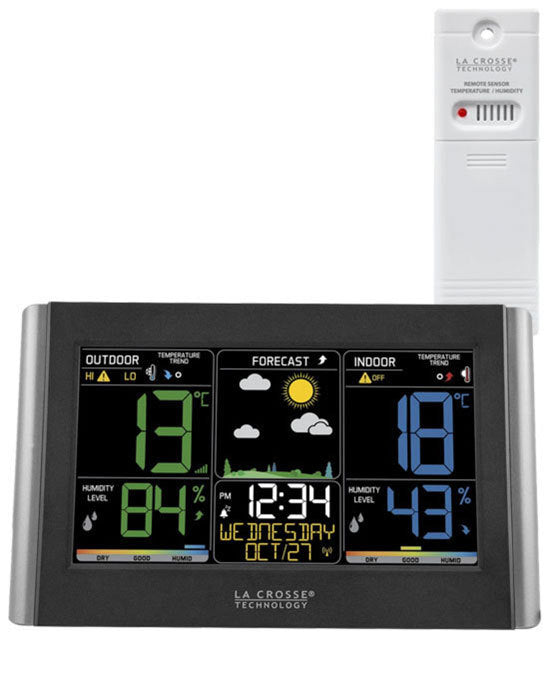
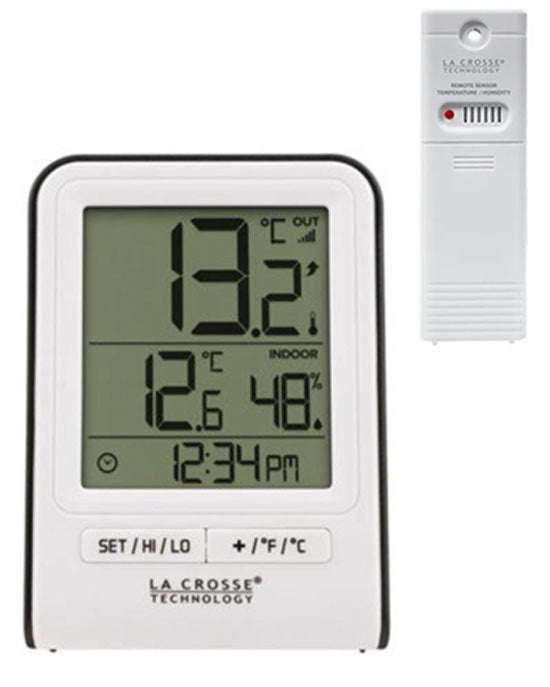
Modern weather data tools, including home weather stations, help gardeners understand seasonal changes in real time rather than after the fact.
By tracking temperature, rainfall, humidity, and wind over time, homeowners can identify patterns such as:
When soil dries faster during certain months
When rainfall becomes more consistent or irregular
When wind patterns increase evaporation
When plant growth cycles naturally accelerate or slow down
This allows for better planning and more efficient use of water, time, and resources.
Instead of reacting to seasonal changes, gardeners can prepare for them in advance.
FAQ
How do seasonal changes affect my garden?
Seasonal changes affect temperature, rainfall, humidity, and wind, all of which influence plant growth, soil conditions, and watering needs.
Do I need to change my gardening routine each season?
Yes. Adjusting watering, planting schedules, and protection methods helps match your garden to changing environmental conditions.
What season is best for gardening in Australia?
It depends on the plant type and region, but many vegetables and flowering plants perform best in moderate temperature seasons.
How can weather data help with seasonal gardening?
Weather data helps you track real conditions in your backyard so you can adjust watering, planting, and protection strategies more accurately.
Conclusion: Your Backyard Evolves With the Weather
Seasonal changes are a natural part of gardening, but they do not have to create uncertainty or stress. When you understand how weather influences your backyard, you can plan ahead and respond more effectively.
Across Australia, seasonal variation can be significant, which makes local awareness especially valuable for homeowners.
By observing and responding to real environmental conditions, you can create a backyard that stays healthier, more balanced, and more enjoyable throughout the year — no matter what the season brings.



Share and get 15% off!
Simply share this product on one of the following social networks and you will unlock 15% off!