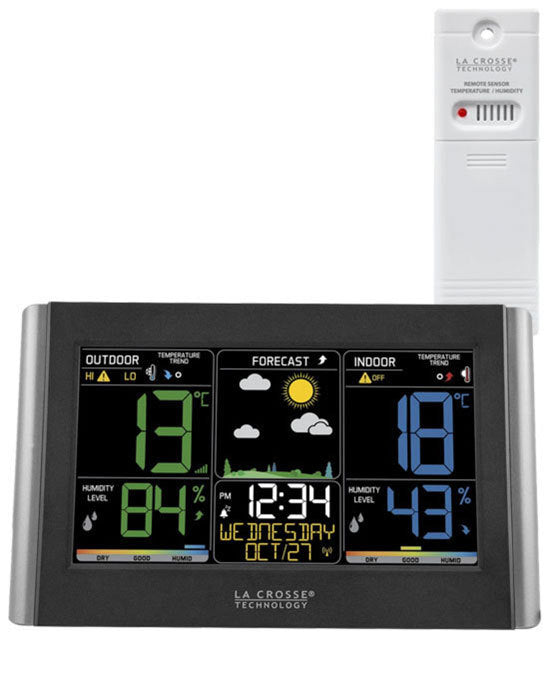
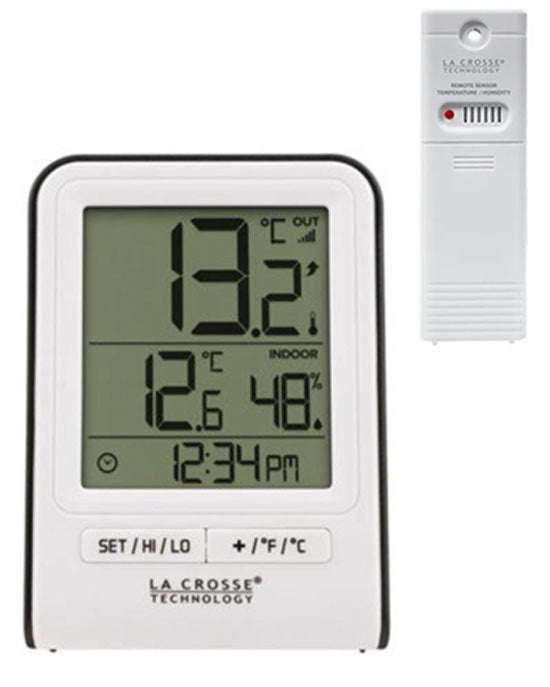



Introduction: Not All Weather Stations Are Equal
Choosing a home weather station in Australia is not just about price or brand. The real difference between a good and great system comes down to features, sensors, and usability.
Many beginners assume all weather stations do the same thing — measure temperature and maybe rainfall. In reality, modern systems range from basic backyard devices to advanced environmental monitoring tools with smart home integration.
Understanding the most important features helps you avoid overspending on unnecessary extras while ensuring you don’t miss critical functionality.
1. Temperature Accuracy and Sensor Quality
Temperature is the foundation of any weather station, but not all sensors are equal.
A high-quality system should provide:
-
Accurate outdoor readings
-
Stable indoor temperature tracking
-
Minimal lag in updates
-
Consistent calibration over time
Poor-quality sensors can drift, leading to incorrect readings that reduce the usefulness of the entire system.
In Australia’s variable climate, even small inaccuracies can significantly impact daily decisions, especially during heatwaves or cold snaps.
2. Humidity Monitoring
Humidity plays a major role in comfort, gardening, and weather interpretation.
A good weather station should measure:
-
Outdoor humidity levels
-
Indoor humidity (for comfort control)
-
Long-term humidity trends
High humidity can signal incoming rain, while low humidity often indicates dry or stable conditions.
This is particularly important in coastal and tropical regions of Australia where humidity changes quickly and dramatically.
3. Rainfall Measurement Precision
Rain tracking is one of the most valuable features of a home weather station.
Look for:
-
Tipping bucket rain gauges for accuracy
-
Millimetre-level rainfall reporting
-
Easy calibration options
-
Historical rainfall data tracking
This feature is especially useful for:
-
Gardening
-
Lawn maintenance
-
Water conservation
Even small differences in rainfall between suburbs can affect watering decisions and plant health.
4. Wind Speed and Direction Tracking
Wind is often underestimated but extremely important for weather awareness.
A good weather station should measure:
-
Wind speed (average and gusts)
-
Wind direction changes
-
Rapid wind shifts
This is useful for:
-
Outdoor safety
-
Storm preparation
-
Boating or coastal activities
-
Gardening protection
In many parts of Australia, wind can change quickly before weather systems arrive, making it a key predictive indicator.
5. Barometric Pressure Sensors
Barometric pressure is one of the strongest indicators of short-term weather changes.
A good system will:
-
Track rising and falling pressure trends
-
Show pressure graphs over time
-
Help identify incoming weather systems
For example:
-
Falling pressure → likely rain or storms
-
Rising pressure → stable conditions
This feature often provides the earliest warning of weather changes before they appear in forecasts.
6. Real-Time Data Updates
One of the biggest advantages of a home weather station is real-time monitoring.
Look for systems that:
-
Update continuously or every few seconds
-
Provide instant data changes
-
Sync reliably without delays
Real-time updates are critical when weather conditions are changing quickly, especially during storm events or heatwaves.
7. Connectivity and App Integration
Modern weather stations are not just hardware — they are connected systems.
Important connectivity features include:
-
Wi-Fi or wireless syncing
-
Mobile app access
-
Cloud data storage
-
Remote monitoring
With good app integration, you can:
-
Check weather from anywhere
-
Review historical trends
-
Receive alerts for changes
This makes the system far more useful for everyday decision-making.
8. Smart Home Compatibility
Some advanced systems integrate with smart home platforms.
This allows:
-
Automated irrigation systems
-
Smart blinds or shading
-
HVAC optimisation
-
Weather-triggered automation
While not essential, this feature adds long-term value for users building smart homes across Australia.
9. Data History and Trend Analysis
A weather station becomes more powerful over time as it collects data.
Look for systems that offer:
-
Daily, weekly, and monthly logs
-
Graphs and trend visualisation
-
Seasonal comparisons
-
Exportable data
This helps users:
-
Understand long-term climate patterns
-
Improve gardening decisions
-
Track environmental changes
Without historical data, a weather station only provides short-term value.
10. Ease of Installation and Maintenance
Even the best features are useless if the system is difficult to install or maintain.
A good beginner-friendly station should offer:
-
Simple setup process
-
Clear mounting instructions
-
Low maintenance sensors
-
Easy calibration tools
Poor installation can reduce accuracy more than any hardware limitation.
Bonus Feature: Expandability
Some weather stations allow additional sensors such as:
-
Soil moisture sensors
-
Extra temperature probes
-
Air quality monitors
This allows your system to grow with your needs over time.
What Most Beginners Get Wrong
Many buyers focus on:
-
Too many advanced features
-
Brand reputation over functionality
-
Price instead of usability
Instead, the best approach is to focus on:
-
Sensor accuracy
-
Ease of use
-
Real-world usefulness
A mid-range system with good sensors often outperforms expensive systems used incorrectly.
Why These Features Matter in Australia
Weather conditions in Australia can be highly variable, including:
-
Sudden temperature shifts
-
Coastal wind changes
-
Seasonal storm systems
-
Regional rainfall differences
Because of this variability, accurate local measurement is far more valuable than broad forecasting alone.
Feature Comparison Summary
|
Feature |
Importance Level |
Why It Matters |
|
Temperature |
High |
Daily comfort and planning |
|
Humidity |
High |
Comfort + weather prediction |
|
Rainfall |
Very High |
Gardening and water use |
|
Wind |
High |
Safety and outdoor planning |
|
Pressure |
Very High |
Early weather signals |
|
Connectivity |
Medium |
Convenience and access |
|
Smart integration |
Optional |
Automation benefits |
|
Data history |
High |
Long-term insights |
FAQ
What is the most important feature in a weather station?
Barometric pressure and rainfall tracking are often the most valuable for everyday use.
Do I need all features?
No — most beginners only need temperature, humidity, rain, and pressure.
Are expensive weather stations better?
Not always. Accuracy depends more on sensor quality and placement than price.
Conclusion
Choosing the right weather station is about focusing on the features that actually improve your daily life, not just the ones that look advanced on paper.
For most homeowners in Australia, the essential features are accurate sensors, reliable connectivity, and useful data tracking — everything else is optional.
In simple terms, the best weather station is the one that gives you clear, accurate, and useful local weather information without unnecessary complexity.



Share and get 15% off!
Simply share this product on one of the following social networks and you will unlock 15% off!