


Introduction: Agriculture Depends on Water, But Efficiency Matters More Than Volume
Water is one of the most important resources in agriculture, but it is also one of the most easily wasted. In farming systems across Australia, irrigation decisions have traditionally relied on fixed schedules, historical experience, or regional weather forecasts. While these methods can be useful, they often fail to reflect the real conditions happening on individual farms.
Even farms located only a short distance apart can experience very different rainfall, wind, temperature, and soil moisture conditions. This variability makes general forecasting less reliable for precise irrigation planning.
On-farm weather monitoring changes this by giving farmers real-time, location-specific data. Instead of guessing when and how much to irrigate, decisions are based on actual environmental conditions measured directly on the property.
The result is a more efficient use of water, healthier crops, and reduced operating costs.
Why Water Waste Happens in Agriculture
Water waste in agriculture usually does not come from a single mistake. It is often the result of outdated assumptions combined with unpredictable weather patterns.
One of the most common issues is over-irrigation. Farmers may apply water based on a schedule rather than soil need, which leads to water running off or draining below the root zone before plants can absorb it.
Another issue is underestimating rainfall. Regional forecasts may indicate rain, but the actual amount falling on a specific farm can be significantly different. In some cases, irrigation continues even after sufficient rainfall has already occurred.
Evaporation is another major factor. High temperatures and wind can dramatically increase water loss from soil and crops, meaning irrigation needs change from day to day rather than week to week.
Without precise data, irrigation often becomes reactive rather than responsive.
How On-Farm Weather Monitoring Improves Irrigation Decisions
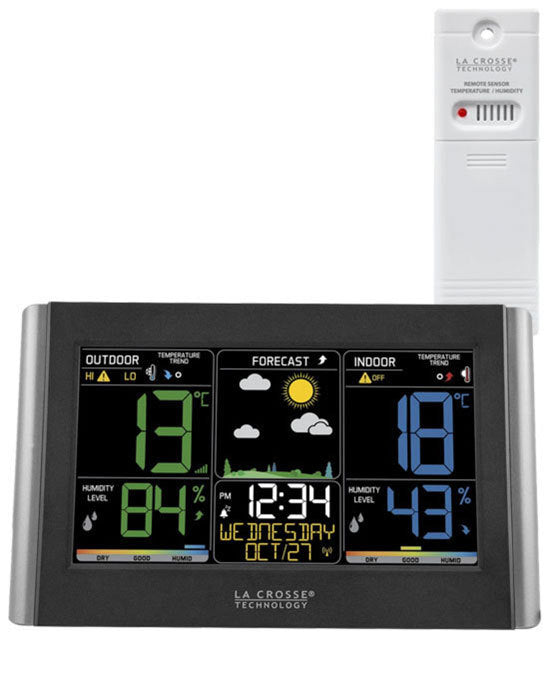
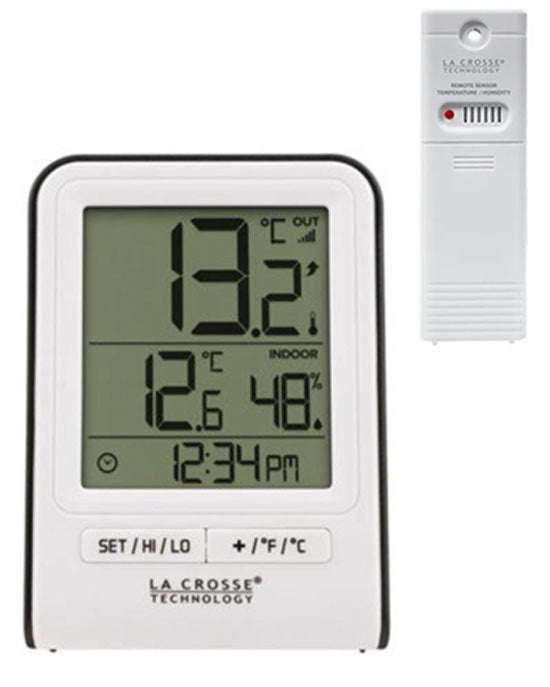
On-farm weather monitoring systems provide real-time data on key environmental factors such as rainfall, temperature, humidity, wind speed, and atmospheric pressure.
This information allows farmers to adjust irrigation based on actual conditions rather than assumptions.
For example, rainfall sensors can show exactly how much precipitation has occurred on-site. This helps determine whether irrigation is necessary or if natural rainfall has already met crop needs.
Temperature and humidity data help estimate evaporation rates, which directly influence how quickly soil moisture is depleted.
Wind data is also important because strong winds increase evaporation and can dry out soil faster than expected.
When all of these factors are combined, irrigation becomes far more precise and efficient.
Rainfall Measurement at Farm Level
One of the biggest advantages of on-farm monitoring is accurate rainfall measurement. Unlike regional forecasts or nearby weather stations, farm-based sensors record exactly how much rain falls on a specific property.
This matters because rainfall can vary significantly even within short distances due to terrain, elevation, and local weather patterns.
With precise rainfall data, farmers can:
-
Avoid unnecessary irrigation after sufficient rain
-
Identify dry zones within larger properties
-
Track seasonal rainfall patterns more accurately
-
Reduce water costs by eliminating duplicate watering
Over time, this data builds a clearer understanding of how water naturally enters the system.
Temperature and Evaporation Losses
Temperature plays a central role in determining how much water crops require. As temperatures rise, evaporation increases and soil moisture decreases more quickly.
On hot days in Australia, evaporation rates can be extremely high, especially in exposed agricultural areas.
By monitoring temperature trends, farmers can anticipate increased water demand before crops show visible signs of stress.
This allows irrigation schedules to shift dynamically based on conditions rather than fixed timing.
Wind as a Hidden Driver of Water Loss
Wind is often overlooked in irrigation planning, but it has a significant impact on water efficiency.
Strong winds increase evaporation from both soil and plant surfaces, meaning water is lost more quickly after irrigation.
Wind can also cause uneven drying across fields, particularly in areas with limited natural windbreaks.
By tracking wind speed and direction, farmers can better understand when irrigation may be less efficient and adjust timing to reduce losses.
Humidity and Soil Moisture Balance
Humidity influences how quickly moisture evaporates from soil and plants. Low humidity conditions typically lead to faster drying, while high humidity slows evaporation.
When combined with soil moisture data, humidity readings help create a more complete picture of water availability in the root zone.
Some advanced systems also include soil moisture sensors, which provide direct feedback on whether irrigation is actually needed.
This combination of atmospheric and ground-level data significantly improves irrigation accuracy.
From Reactive to Precision Irrigation
Traditional irrigation often operates on fixed cycles, but on-farm weather monitoring enables a shift toward precision irrigation.
Instead of watering on a set schedule, farmers can respond to:
-
Recent rainfall events
-
Current soil moisture levels
-
Forecasted temperature changes
-
Wind and evaporation conditions
This approach ensures water is applied only when and where it is needed.
Over time, this reduces waste and improves crop consistency.
Long-Term Benefits of Weather-Based Water Management
The benefits of on-farm weather monitoring extend beyond daily irrigation decisions.
Long-term data helps farmers identify seasonal trends, improve planting schedules, and better predict water demand throughout the year.
It also supports better resource planning. When water usage becomes more predictable, farms can operate more efficiently and reduce environmental impact.
In regions of Australia where water scarcity can be a concern, this level of efficiency becomes especially valuable.
Why Precision Matters in Australian Agriculture
Agricultural conditions across Australia vary widely. Some regions experience high evaporation and low rainfall, while others deal with seasonal flooding or unpredictable storm events.
Because of this variability, relying on general weather data is often not enough for efficient water management.
On-farm monitoring provides the specificity needed to adapt irrigation strategies to local conditions, rather than regional averages.
This precision supports both productivity and sustainability.
FAQ
How does weather monitoring reduce water waste?
It provides real-time data on rainfall, temperature, humidity, and wind so irrigation can be adjusted based on actual conditions.
What is the benefit of farm-level weather data?
Farm-level data reflects exact conditions on-site, which improves irrigation accuracy and reduces unnecessary water use.
Does temperature affect irrigation needs?
Yes. Higher temperatures increase evaporation and plant water demand, requiring more precise irrigation timing.
Can weather monitoring improve crop yield?
Yes. By ensuring crops receive the right amount of water at the right time, plant stress is reduced and growth conditions improve.
Conclusion: Smarter Data Leads to Smarter Water Use
Reducing water waste in agriculture is not only about using less water — it is about using it more intelligently.
On-farm weather monitoring gives farmers the information they need to make precise, timely decisions based on real conditions rather than assumptions.
Across Australia, where weather variability is significant, this approach can make a meaningful difference in both efficiency and sustainability.
When water decisions are guided by accurate local data, agriculture becomes more resilient, productive, and environmentally responsible.



Share and get 15% off!
Simply share this product on one of the following social networks and you will unlock 15% off!