


Introduction: Storms Often Show Warning Signs First
Severe weather rarely appears without warning. While storms can feel sudden, the atmosphere often provides subtle clues hours or even days before conditions become dangerous.
Across Australia, weather can change quickly due to shifting air masses, coastal influences, and seasonal storm systems. Because of this variability, recognising early signs of severe weather is an important skill for homeowners, gardeners, and anyone who spends time outdoors.
Understanding these early indicators can help you prepare your home, protect your garden, and avoid being caught off guard when conditions worsen.
Falling Barometric Pressure Is One of the First Indicators
One of the most reliable early signs of changing weather is a drop in barometric pressure. This measurement reflects the weight of the air in the atmosphere, and it often changes before visible weather shifts occur.
When pressure begins to fall steadily, it usually indicates that a low-pressure system is approaching. These systems are commonly associated with clouds, rain, wind, and storms.
The important detail is timing. Pressure changes can begin long before rain arrives, giving you an early window to prepare.
Many homeowners notice that when pressure drops quickly, weather conditions tend to become more unstable within a relatively short period.
Sudden Changes in Wind Direction or Strength
Wind is another key indicator that weather conditions are shifting.
A noticeable change in wind direction can suggest that a new weather system is moving into your area. Increasing wind strength may also indicate that a front or storm system is approaching.
In many parts of Australia, wind changes often occur before rainfall or thunderstorms develop, especially during seasonal transitions.
Strong gusts can also signal the outer edges of a storm system, meaning more severe conditions may follow.
Monitoring wind patterns helps you anticipate changes before they fully arrive.
Rapid Cloud Development and Darkening Skies
Cloud formation provides some of the most visible clues that severe weather may be developing.
Towering clouds that build vertically, often referred to as cumulonimbus clouds, are commonly associated with thunderstorms. These clouds can grow quickly when warm, moist air rises into cooler atmospheric layers.
A sky that becomes noticeably darker during the day can also indicate increasing cloud density, which may signal incoming rain or storms.
In some cases, clouds may appear to move quickly or form in unusual shapes, both of which can suggest unstable atmospheric conditions.
Rising Humidity Levels Before Rain or Storms
Humidity often increases before rainfall or storm activity.
When the air becomes more humid, it means there is a higher concentration of moisture available in the atmosphere. This moisture can contribute to cloud formation and precipitation when conditions become unstable.
A noticeable increase in humidity, especially when combined with rising temperatures, can indicate that a storm system is developing.
Many people also notice that high humidity can make the air feel heavier or more still before a storm arrives.
Temperature Fluctuations Can Signal Changing Conditions
Sudden or unusual temperature changes can also indicate approaching weather systems.
For example, a warm day followed by a sudden drop in temperature may suggest that a cold front is moving through the area. These transitions often bring increased cloud cover, wind, or rainfall.
In contrast, a rapid increase in temperature combined with humidity changes can signal unstable atmospheric conditions that may lead to thunderstorms.
Temperature shifts alone are not always definitive, but when combined with other signs, they can provide useful context.
Distant Thunder or Lightning Activity
One of the most obvious signs of an approaching storm is hearing thunder in the distance or seeing lightning far away.
Even if conditions are still calm where you are, distant storm activity can indicate that weather systems are moving toward your area.
Storms can travel quickly depending on wind patterns and atmospheric conditions, so distant thunder should always be taken as an early warning sign rather than something to ignore.
Sudden Calm Before a Storm
Interestingly, storms are sometimes preceded by a noticeable drop in wind or a period of unusual calmness.
This stillness occurs because the air pressure and wind systems around a developing storm can temporarily stabilize conditions in the immediate area before the storm arrives.
While this calm period may feel pleasant, it can sometimes signal that more intense weather is approaching.
Heavy, Warm Air That Feels “Different”
Many people describe the air feeling “heavy” or “sticky” before a storm. This sensation is caused by increased moisture and atmospheric instability.
Although this is not a measurable weather instrument reading, it often aligns with rising humidity and falling pressure.
When combined with other indicators, this change in how the air feels can be another useful clue.
Why These Signs Matter in Australia
Because of the wide range of climates across Australia, severe weather can develop in different ways depending on location.
Some regions experience fast-moving thunderstorms, while others may face heavy rainfall events or strong wind systems. Coastal areas can also experience rapidly changing conditions due to ocean influence.
This variability makes it especially important to recognise early warning signs rather than relying solely on general forecasts.
How Weather Awareness Helps You Prepare Earlier
Recognising the signs of severe weather allows you to take action before conditions worsen.
Early preparation might include:
-
Securing outdoor furniture or loose items
-
Checking drainage around your home
-
Moving plants or garden items to sheltered areas
-
Avoiding unnecessary travel
-
Preparing emergency supplies if needed
The earlier you respond, the easier it is to reduce potential disruption.
FAQ
What are the earliest signs of a storm?
Falling barometric pressure, increasing humidity, and changing wind patterns are often the earliest indicators.
Can weather change quickly in Australia?
Yes. Weather conditions can shift rapidly depending on region and seasonal patterns.
Is a sudden calm before a storm normal?
Yes. A brief calm period can occur before storms as atmospheric pressure and wind patterns shift.
Can I predict storms without tools?
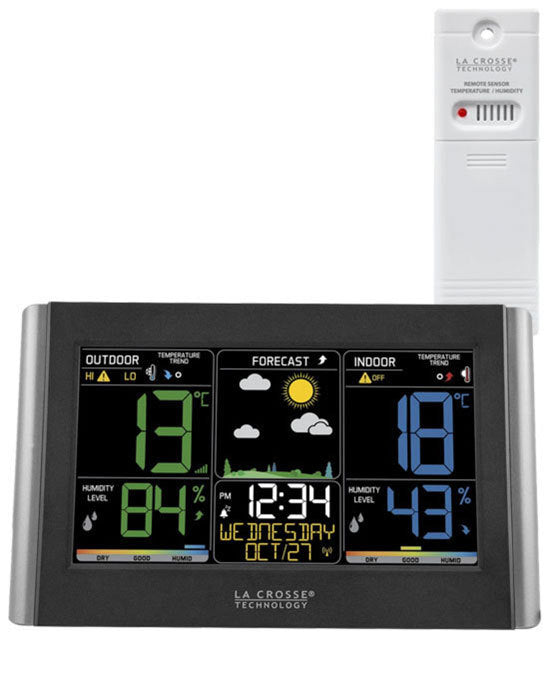
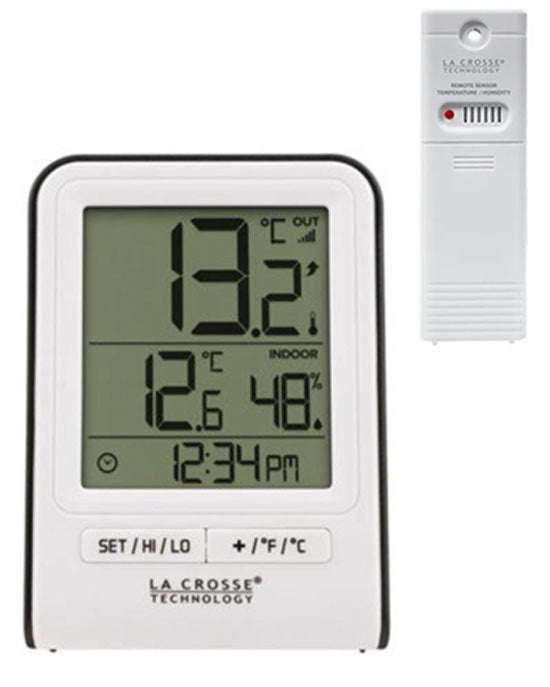
You can observe natural signs such as clouds, wind changes, temperature shifts, and humidity, but tools like weather stations provide more precise data.
Conclusion: Awareness Helps You Stay Prepared
Severe weather often gives subtle warnings before it arrives. By paying attention to changes in pressure, wind, humidity, temperature, and cloud formation, you can better understand when conditions are shifting.
Across Australia, where weather systems can change quickly, this awareness becomes especially valuable.
When you recognise early signs of severe weather, you give yourself more time to prepare, protect your home, and respond calmly before conditions intensify.



Share and get 15% off!
Simply share this product on one of the following social networks and you will unlock 15% off!