

Introduction: Storm Season Is Different Across Australia
Storms are a regular part of life in Australia, but their timing, intensity, and frequency can vary dramatically depending on where you live. Some regions experience severe thunderstorms with heavy rainfall and damaging winds during warmer months, while tropical areas may face prolonged wet seasons and cyclone-related weather systems.
For homeowners, understanding storm season is not simply about knowing when rain may arrive. Storms can affect property, gardens, power supply, travel, and everyday routines. Preparing before severe weather develops often makes a significant difference in reducing risk and preventing damage.
Many people only think about storms when warnings begin appearing on television or mobile alerts. However, storm preparedness works best when planning starts long before severe weather develops.
Understanding how storm seasons work and recognising the signs of changing weather conditions can help homeowners make more informed decisions and respond with greater confidence.
What Is Storm Season?
Storm season refers to periods of the year when atmospheric conditions become more favourable for thunderstorms and severe weather events.
Storms generally develop when warm, moist air rises into cooler layers of the atmosphere. As this air rises, clouds grow larger and weather systems can become unstable.
Depending on conditions, storms may produce:
-
Heavy rainfall
-
Strong wind gusts
-
Lightning
-
Hail
-
Localised flooding
-
Sudden temperature changes
Not every storm becomes severe, but even smaller weather events can create challenges for homes and outdoor areas.
Why Storm Timing Varies Across Australia
One reason many homeowners become confused about storm season is that there is no single nationwide storm calendar.
Australia’s size and climate diversity create very different weather patterns across regions.
Northern parts of the country often experience storm activity associated with tropical wet seasons and cyclone systems.
Southern and inland regions frequently see increased thunderstorm activity during warmer months when heat builds and atmospheric instability increases.
Coastal areas may also experience rapidly changing conditions as ocean moisture interacts with inland temperatures.
Because local conditions vary so significantly, understanding regional weather patterns is often more useful than relying on general assumptions.
What Conditions Increase Storm Risk?
Storms do not appear randomly. Certain weather conditions increase the likelihood of storm development.
Warm temperatures are often one of the key ingredients because heat provides energy for rising air movement.
Moisture in the atmosphere is also important. When warm air contains high levels of moisture, larger storm systems can develop more easily.
Wind patterns at different heights in the atmosphere can further strengthen storm activity by influencing how weather systems form and move.
Changes in barometric pressure can also provide clues that weather conditions may be shifting.
Although homeowners cannot see many of these atmospheric processes directly, weather data often helps identify developing conditions before storms arrive.
Signs a Storm May Be Approaching
Many people notice environmental changes before storms become visible.
Conditions that sometimes occur before storm development include:
-
Increasing humidity
-
Sudden changes in wind direction
-
Darkening cloud formation
-
Rapid temperature changes
-
Falling air pressure
These signs do not guarantee severe weather, but they often indicate that atmospheric conditions are changing.
Modern weather monitoring tools provide additional information that helps homeowners recognise these shifts earlier.
Heavy Rainfall Can Create Unexpected Problems
Rainfall is usually beneficial, but intense rainfall over short periods can create significant challenges.
Heavy rain may overwhelm drainage systems and cause water to accumulate quickly around homes and outdoor areas.
Potential issues include:
-
Localised flooding
-
Water entering roof spaces or gutters
-
Soil erosion
-
Damage to gardens
-
Reduced visibility during travel
Rainfall amounts can vary considerably even across relatively small distances, which means local conditions are often more important than broad forecasts.
Strong Winds Can Affect Homes and Outdoor Areas
Wind is one of the most common causes of storm-related property damage.
Strong gusts can affect:
-
Outdoor furniture
-
Trees and branches
-
Fences
-
Shade structures
-
Roof materials
Loose items left outside may become hazards during severe conditions.
Homeowners who understand approaching weather conditions often secure vulnerable items before strong winds arrive rather than responding afterward.
Lightning and Electrical Risks
Lightning is one of the most recognisable parts of severe thunderstorms.
Although lightning strikes are relatively brief, they can create significant risks including:
-
Power interruptions
-
Damage to electrical systems
-
Fire hazards
-
Safety risks outdoors
During active storms, limiting exposure to open outdoor areas and avoiding unnecessary contact with electrical equipment can reduce risk.
Preparing Your Home Before Storm Season Arrives
Preparation becomes much easier when completed before severe weather develops.
Many homeowners reduce potential risks by maintaining gutters, checking drainage areas, trimming unstable branches, and securing outdoor items.
Preparation also includes understanding how weather conditions affect your particular property.
For example, some homes may be more exposed to wind while others may experience water accumulation during heavy rain.
Over time, recognising patterns helps homeowners prepare more effectively for future weather events.
Why Weather Monitoring Helps Homeowners
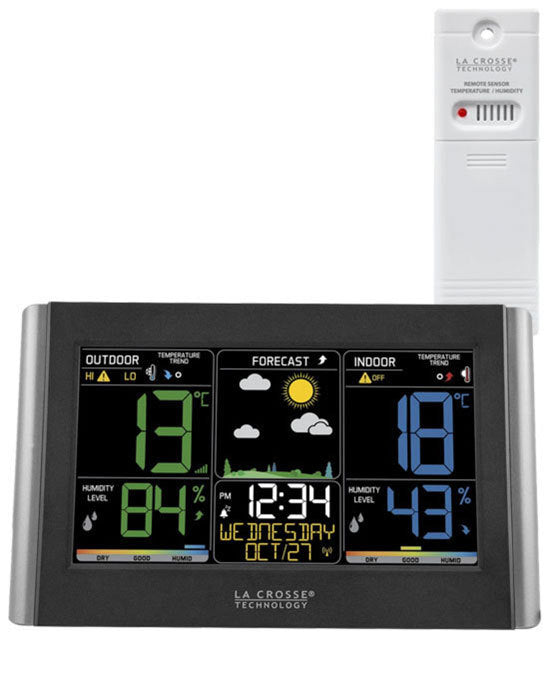
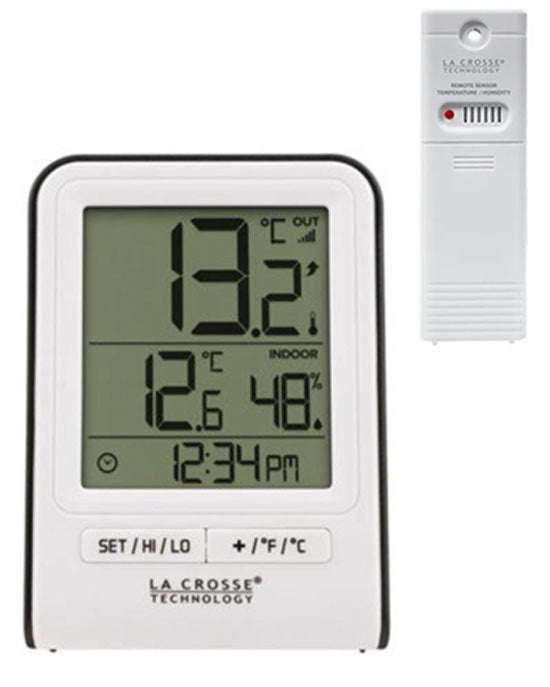
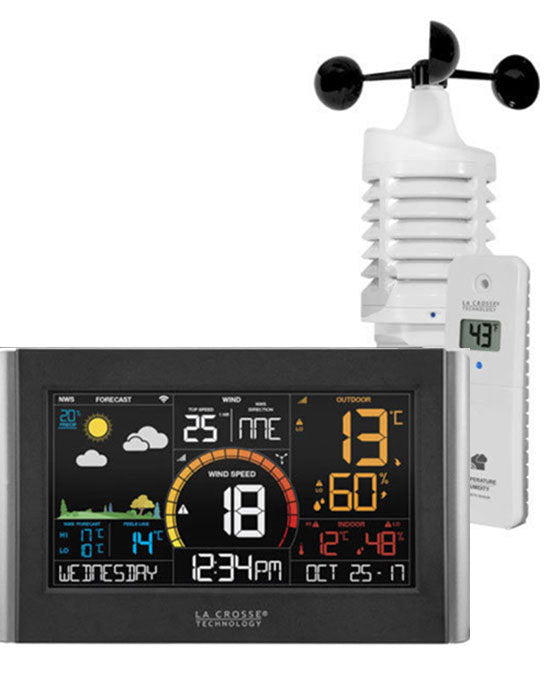
Traditional weather forecasts provide useful information, but local weather monitoring offers additional detail that can help homeowners understand conditions around their own property.
Monitoring local weather conditions can provide insight into:
-
Temperature trends
-
Rainfall amounts
-
Wind changes
-
Pressure movement
-
Approaching weather shifts
Instead of waiting for visible signs of severe weather, homeowners can identify changing conditions earlier and respond more proactively.
Why Storm Awareness Matters in Australia
Storm activity across Australia can vary greatly depending on region and season.
Some areas experience frequent summer thunderstorms, while others may face tropical systems or rapidly changing weather patterns.
Because of this variability, understanding local conditions becomes increasingly valuable for homeowners.
Preparation does not eliminate severe weather, but it can reduce disruption and improve confidence when conditions change.
FAQ
When is storm season in Australia?
Storm season varies depending on location. Many regions experience increased storm activity during warmer months, while tropical areas often see activity associated with wet seasons.
What causes severe storms?
Severe storms often develop when warm, moist air rises into cooler atmospheric layers and creates unstable conditions.
How can homeowners prepare for storms?
Maintaining gutters, securing outdoor items, monitoring weather conditions, and understanding property risks can help improve preparedness.
Can weather data help predict storms?
Weather data can identify conditions such as pressure changes, rainfall patterns, humidity, and wind shifts that may indicate developing weather systems.
Conclusion: Understanding Weather Helps You Prepare Earlier
Storms are a normal part of Australia’s weather patterns, but understanding how they develop gives homeowners a stronger ability to prepare effectively.
Recognising changing conditions, monitoring weather patterns, and planning ahead can reduce stress and improve safety during severe weather periods.
Across Australia, weather conditions can vary widely, making local awareness increasingly valuable.
The more you understand storm season and your surrounding environment, the easier it becomes to protect your home, your property, and your daily routine when weather conditions change.



Share and get 15% off!
Simply share this product on one of the following social networks and you will unlock 15% off!