

Introduction: Watering Smarter, Not More Often
Knowing when to water your garden is one of the most important parts of successful gardening, yet it is also one of the most misunderstood. Many homeowners rely on fixed schedules such as “every second day” or “twice a week,” but these rules rarely reflect real environmental conditions.
In Australia, where weather can shift quickly between heat, rain, humidity changes, and dry wind, rigid watering schedules often lead to wasted water or stressed plants.
The better approach is simple: water based on weather data, not the calendar. When you understand temperature, rainfall, humidity, wind, and soil moisture, you can make precise watering decisions that keep plants healthier and reduce water use.
Why Fixed Watering Schedules Don’t Work
Traditional gardening advice often assumes stable conditions, but real weather is rarely stable. A fixed watering schedule ignores key factors such as:
-
Recent rainfall
-
Temperature spikes
-
Humidity changes
-
Wind-driven evaporation
For example, watering the same amount after a cool, cloudy day is very different from watering after a hot, dry, windy day. The plants’ actual needs change daily.
This is why many gardens either:
-
Become overwatered and develop root problems
-
Or become underwatered during heat or wind events
Weather data removes this uncertainty.
Temperature: The First Signal for Watering Needs
Temperature directly affects how quickly soil dries out and how much water plants lose through evaporation.
On hot days in Australia, plants can lose moisture rapidly, meaning they may need extra watering. On cooler days, the same amount of water can last much longer in the soil.
Instead of watering on a schedule, temperature data helps you ask a better question: Has today been hot enough to justify watering, or has moisture likely been retained?
This alone can significantly reduce unnecessary watering.
Rainfall: The Most Important Factor
Rainfall is the most obvious but often misused factor in garden watering decisions. Many gardeners either underestimate light rain or overestimate heavy rain from forecasts.
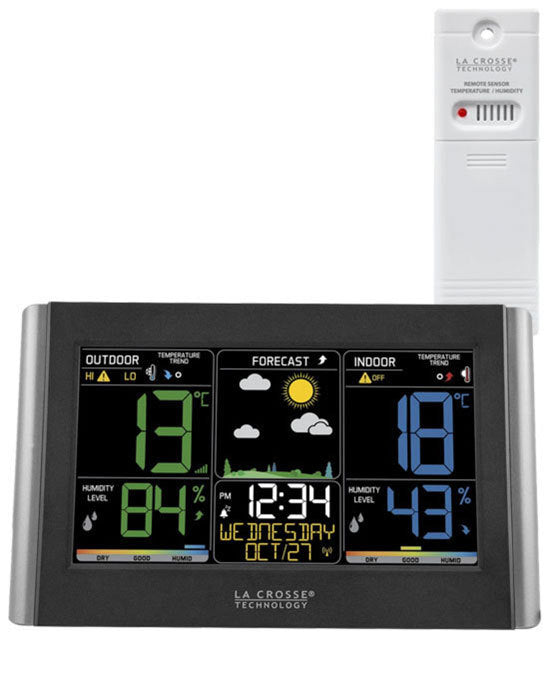
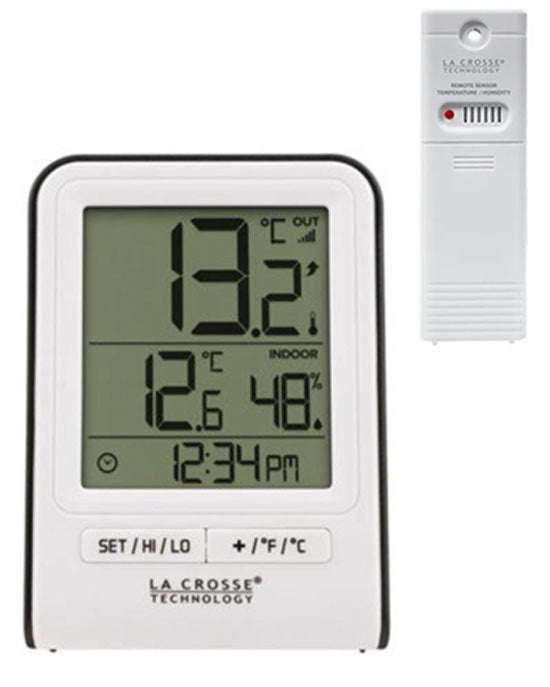
A home weather station solves this by measuring exact rainfall at your property, not just regional estimates.
This matters because:
-
Light rain may not penetrate deep into soil
-
Heavy rain may fully replace the need for watering
-
Nearby areas may receive different rainfall amounts
In many parts of Australia, rainfall can vary significantly even across short distances, making local measurement essential.
If meaningful rain has fallen recently, watering can often be delayed or skipped entirely.
Humidity: The Hidden Watering Guide
Humidity affects how quickly moisture evaporates from both soil and plant surfaces. High humidity slows evaporation, meaning soil stays moist longer. Low humidity speeds up drying.
When humidity is high, watering too often can lead to overly wet soil conditions. When humidity is low, plants may require more frequent watering even if temperatures are moderate.
Tracking humidity helps you adjust watering patterns dynamically rather than relying on fixed routines.
Wind: The Silent Water Thief
Wind plays a major role in how quickly gardens dry out. Even on mild temperature days, strong wind can significantly increase evaporation from soil and plant surfaces.
If wind speeds are high, your garden may need more frequent watering than expected. If conditions are calm, moisture will last longer.
Wind direction can also indicate incoming weather changes, helping you decide whether to delay watering in anticipation of rain.
Soil Moisture: The Most Direct Answer
If your weather station includes soil moisture sensors, this is the most accurate way to determine watering needs. Instead of estimating based on conditions, you are measuring water levels directly in the root zone.
Soil moisture data helps you understand:
-
Whether plants actually need water
-
How deep moisture has penetrated after rain
-
Whether surface dryness is misleading
This prevents one of the most common gardening mistakes: watering when the soil is still adequately moist beneath the surface.
The Best Time of Day to Water
Weather data also helps determine the best time of day to water your garden.
Generally, early morning is ideal because:
-
Temperatures are lower
-
Evaporation rates are minimal
-
Plants can absorb water before heat increases
Evening watering can also work, but in humid conditions it may increase the risk of fungal growth.
By combining temperature and humidity data, you can choose the most efficient watering window each day.
Creating a Weather-Based Watering Strategy
Instead of following a fixed schedule, a weather-based approach adapts to conditions in real time.
A simple strategy might look like this:
-
Check rainfall before watering
-
Review temperature trends for the past 24–48 hours
-
Assess wind conditions for evaporation risk
-
Adjust watering depth rather than frequency
Over time, this method creates a more efficient and responsive garden system that uses significantly less water while improving plant health.
Common Watering Mistakes Without Weather Data
Without weather data, many gardeners unintentionally:
-
Water immediately after rainfall
-
Overwater during cool, humid periods
-
Underwater during hot, windy days
-
Follow schedules that ignore real conditions
These mistakes are not due to lack of care, but lack of precise environmental feedback. Weather data solves this by making conditions visible.
Why This Matters in Australia
Water efficiency is especially important in Australia due to:
-
Frequent dry periods
-
High evaporation rates in many regions
-
Sudden heatwaves
-
Variable rainfall patterns
Because of this, using real-time weather data for watering decisions is not just helpful — it is often essential for sustainable gardening.
FAQ
When is the best time to water a garden?
Early morning is generally best because temperatures are lower and evaporation is minimal, allowing plants to absorb water efficiently.
How does weather data help reduce water use?
Weather data shows you when rain has already fallen, when evaporation is high, and when soil likely still contains moisture, helping you avoid unnecessary watering.
Should I water my garden every day?
No. Daily watering is rarely necessary and can harm plant roots. Watering should be based on actual weather and soil conditions instead.
What weather data is most important for watering?
Rainfall, temperature, humidity, wind, and soil moisture are the most important factors for making accurate watering decisions.
Conclusion: Water Smarter, Grow Better
Watering your garden effectively is not about following a fixed routine — it is about understanding the environment your plants are actually experiencing.
By using real weather data instead of assumptions, you can make precise decisions that improve plant health and reduce water waste.
In a country like Australia, where conditions can change quickly and dramatically, this approach is especially powerful.
When you align watering with real environmental conditions, your garden becomes more resilient, efficient, and sustainable — and every drop of water is used with purpose.



Share and get 15% off!
Simply share this product on one of the following social networks and you will unlock 15% off!