

Introduction: Stop Watering on a Schedule and Start Watering Smarter
One of the most common questions home gardeners ask is simple: When should I water my garden? Traditionally, the answer has often been based on routines — perhaps every morning, every second day, or a few times each week.
The problem is that plants do not follow a calendar.
Across Australia, weather conditions can change rapidly. One week may bring rain and cool temperatures, while the next delivers dry winds and intense heat. Following a fixed watering routine often means applying too much water when it is unnecessary or not enough when plants actually need support.
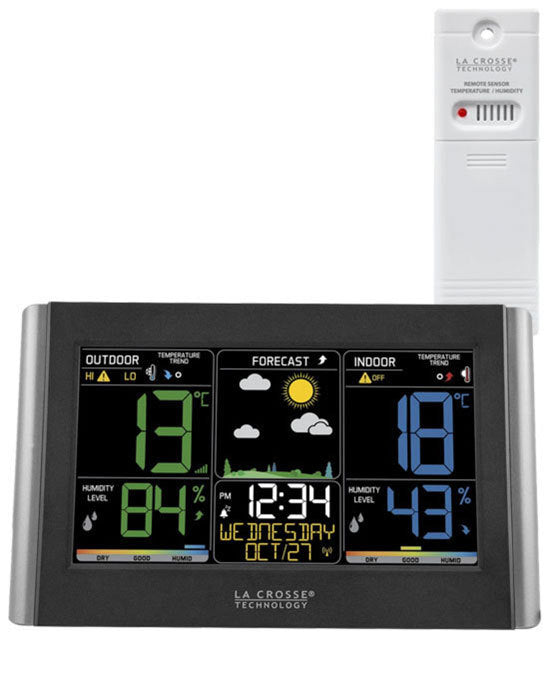
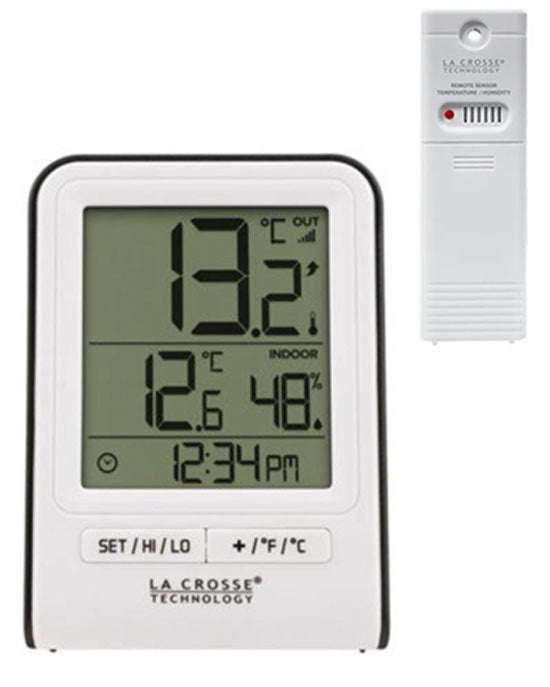
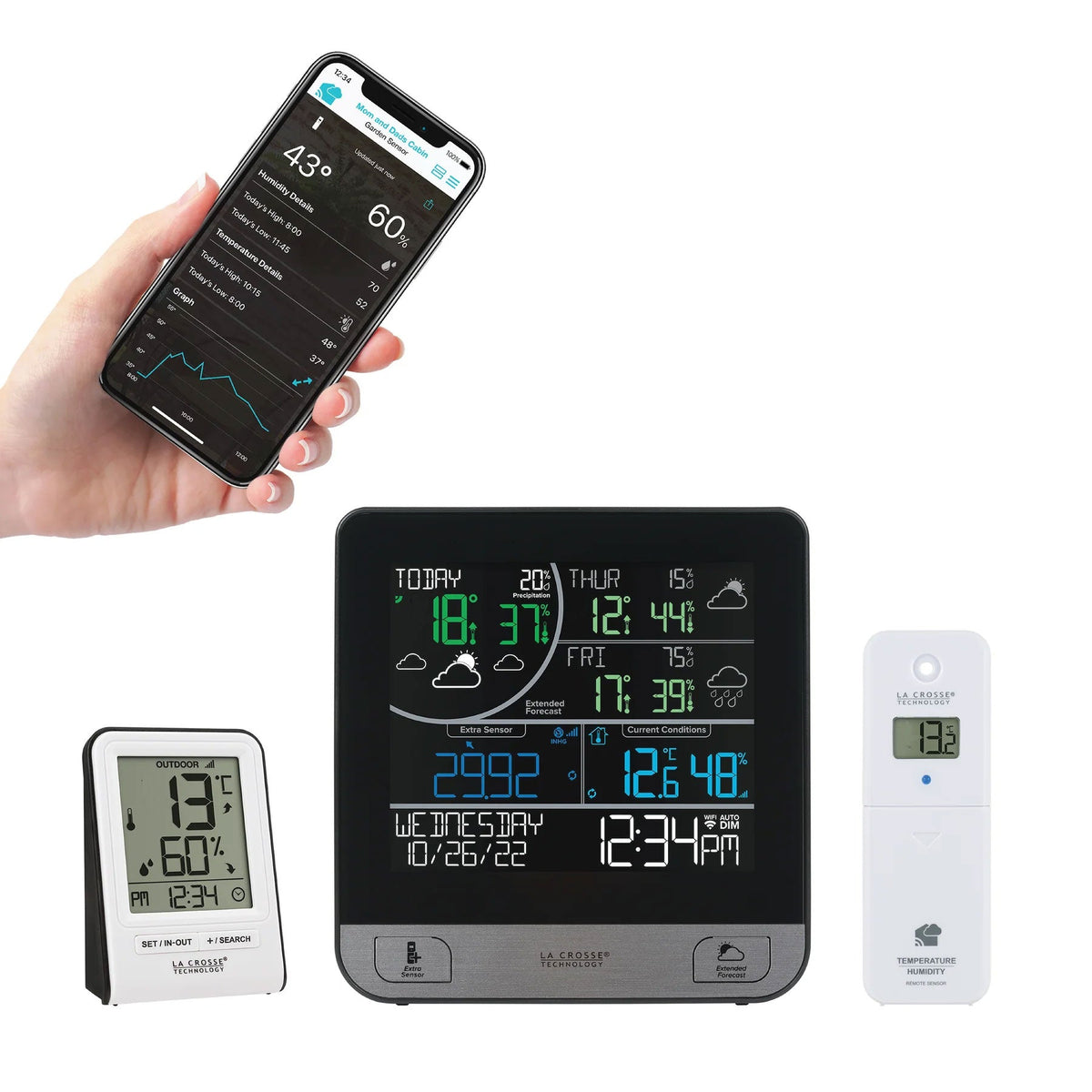
The better approach is to use weather data as a guide. By understanding how temperature, rainfall, humidity, and wind affect your garden, you can make more accurate watering decisions, reduce water waste, and support healthier plant growth.
Why Fixed Watering Schedules Often Cause Problems
Many people begin gardening using set routines because they seem simple and easy to remember. While routines create consistency, they often ignore what plants are actually experiencing.
Imagine watering your garden every morning regardless of conditions. If heavy rain fell overnight, additional watering may leave soil overly saturated. If temperatures have been cool for several days, plants may already have enough moisture available.
On the other hand, a routine that works during mild weather may become inadequate during hotter periods when plants lose moisture much faster.
Plants respond to environmental conditions, not dates on a calendar.
Weather-based watering removes much of the guesswork and allows gardeners to respond to what is actually happening rather than what was planned days earlier.
Temperature Strongly Influences Water Requirements
Temperature is one of the biggest factors affecting how much water plants require.
As temperatures increase, moisture evaporates more rapidly from both soil and plant surfaces. Plants also increase water use as they work harder to stay healthy under warm conditions.
During hot periods, especially throughout many regions of Australia, gardens can dry out much faster than expected.
However, temperature alone does not automatically mean plants need water. Two warm days can have very different effects depending on other environmental factors.
This is why temperature works best when viewed alongside additional weather information rather than in isolation.
Rainfall Tells You What Your Garden Has Already Received
Rainfall is often the first thing gardeners think about when deciding whether to water, but general forecasts do not always tell the full story.
A forecast may predict rain across your area, but actual rainfall can vary considerably between neighbouring suburbs or even different properties.
Knowing exactly how much rain your garden has received provides a far more useful starting point.
For example, light rainfall may only dampen the soil surface without reaching deeper roots. Heavier rainfall may provide enough moisture to eliminate the need for watering for several days.
Understanding actual rainfall levels helps avoid one of the most common gardening mistakes — watering simply because it is "watering day" even though nature has already done the work.
Humidity Changes How Quickly Plants Lose Moisture
Humidity measures the amount of moisture present in the air, and while many gardeners overlook it, it can strongly influence watering needs.
During periods of high humidity, moisture evaporates more slowly. Soil often remains moist for longer periods and plants generally lose less water through their leaves.
Low humidity creates the opposite effect. Dry air increases evaporation and can cause gardens to dry more rapidly, even when temperatures seem moderate.
This means two days with identical temperatures can produce very different watering requirements depending on humidity levels.
Understanding humidity provides another layer of insight that helps gardeners avoid unnecessary watering.
Wind Can Dry Out Gardens Faster Than Expected
Wind is frequently underestimated as a factor in garden watering.
Many people assume only heat drives moisture loss, but wind can dramatically increase evaporation from soil and leaves. A moderately warm day with strong winds can sometimes dry out a garden faster than a hotter day with calm conditions.
Young plants and shallow-rooted vegetables are particularly sensitive to these drying effects.
Monitoring wind conditions allows gardeners to recognise periods when moisture loss may accelerate and respond accordingly.
Without considering wind, gardeners sometimes struggle to understand why plants appear stressed despite regular watering.
Why Early Morning Is Usually the Best Time to Water
Although weather conditions influence how much water plants need, timing also affects how effectively that water is used.
Early morning is widely considered the most efficient time for watering because temperatures are lower and evaporation rates are reduced.
Watering in the morning gives plants time to absorb moisture before the heat of the day increases demand.
Watering during the middle of a hot afternoon often results in greater evaporation losses, meaning less water actually reaches plant roots.
Evening watering can work in some situations, but prolonged moisture overnight may increase the likelihood of fungal issues, particularly during humid periods.
Using Weather Data Creates Smarter Watering Habits
The biggest advantage of weather-based gardening is that it creates flexibility.
Instead of following rigid routines, gardeners begin responding to actual environmental conditions.
Over time, many people notice patterns such as:
Certain weeks requiring significantly less watering after regular rainfall.
Hot and windy periods increasing moisture loss faster than expected.
Some parts of the garden drying more quickly than others.
Seasonal changes affecting watering requirements throughout the year.
These observations help create a more efficient garden that uses water more effectively.
Why Water Conservation Matters in Australia
Water conservation has become increasingly important across Australia due to changing weather patterns, periods of drought, and high evaporation rates in many regions.
Using more water does not necessarily produce healthier plants.
In many cases, excessive watering creates problems such as shallow root systems, nutrient loss, and increased disease risk.
By using weather information to guide decisions, gardeners can reduce waste while improving plant health at the same time.
FAQ
When is the best time to water a garden?
Early morning is generally the best time because temperatures are lower and evaporation rates are reduced, allowing plants to absorb moisture more efficiently.
Should I water my garden every day?
No. Most gardens do not need daily watering. Water requirements vary depending on rainfall, temperature, humidity, and soil conditions.
How can weather data reduce water use?
Weather data helps you understand how much rain has fallen, how quickly soil may dry out, and whether plants are likely to need additional moisture.
What weather conditions affect watering most?
Temperature, rainfall, humidity, and wind all play important roles in determining how much water plants require.
Conclusion: Water Based on Conditions, Not Habit
Successful watering is not about following strict routines. It is about understanding the environment your plants experience every day.
When you use weather data to guide decisions, watering becomes more accurate and more efficient. Plants receive moisture when they actually need it, and water is not wasted when conditions already provide enough support.
Across Australia, weather conditions can vary significantly, which makes local environmental awareness particularly valuable.
The more you understand your garden’s relationship with weather, the easier it becomes to save water, support healthier plants, and create a more resilient backyard garden.



Share and get 15% off!
Simply share this product on one of the following social networks and you will unlock 15% off!